Current Research
Effects of climate change on forests

Understanding the vulnerability of forest ecosystems to climate change is critical for anticipating the potential of future forests to serve as “sinks” for anthropogenic CO2 emissions, to provide habitat for other species, and to regulate the hydrological cycle. The Kueppers lab group aims to understand how forests change in structure and distribution as a consequence of climate warming and related changes in hydroclimate. Our novel Alpine Treeline Warming Experiment investigated how warming affects tree recruitment within and above Rocky Mountain subalpine forests. Our tropical forest research on shifts in forest functional composition with precipitation variability is part of the Next Generation Ecosystem Experiments – Tropics project. In addition to field observations, we also use demographic models of plant species and functional types to understand the pace and dynamics of forest change.
Alpine plant community change

Alpine plant communities are well adapted to often harsh growing conditions above treeline but are now subject to warmer temperatures and changes in snowpack. We’re using both an active warming experiment and long-term observations near the Rocky Mountain Biological Laboratory, as part of the Global Observation Research Initiative in Alpine environments (GLORIA), to examine how alpine plant communities are changing.
Past Research
Effects of natural ecosystems and agriculture on climate

Characteristics of the land surface affect weather and climate; changes in land use and crop management can have local effects on par with increased greenhouse gases. The specific properties of land that matter to the atmosphere and the relative importance of changes in these properties are active areas of inquiry in the Kueppers lab group. We use regional climate and land surface models, as well as observations, to quantify the influences of natural and managed ecosystems on the climate. We study how irrigation and crop development affect local and regional temperatures, precipitation, wind, and humidity. We are also working on how climate-driven changes in the distribution and structure of forests affect forest carbon, water and energy budgets in the tropics and in the western US.
Endophytic nitrogen fixation in conifers
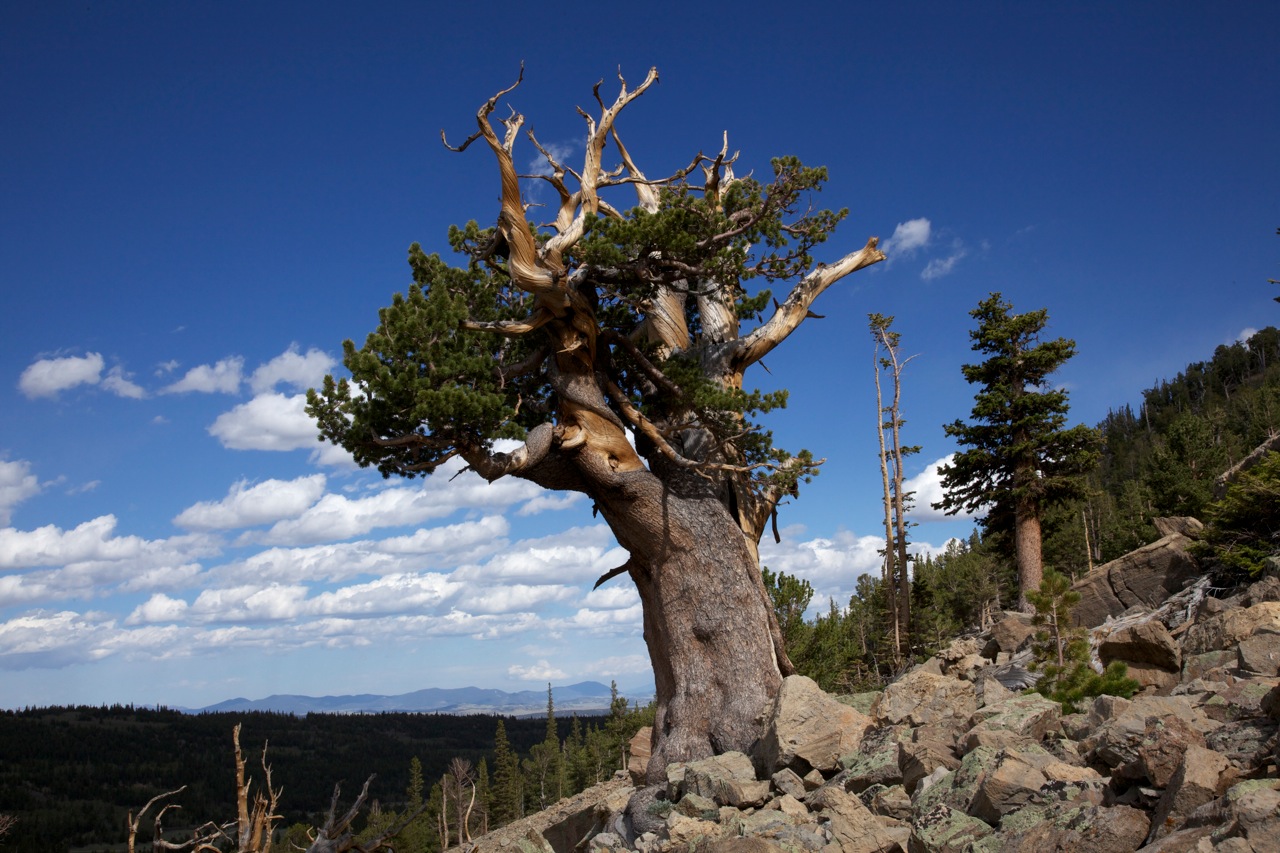
New technology and techniques are enabling a deeper understanding of how bacteria mediate global biogeochemical cycles. Both theory and observations in boreal and temperate forests predict unknown sources of nitrogen (N) to these systems. The Kueppers lab group was the first to quantify N fixation by bacterial endophytes in healthy conifer foliage in sub-alpine forests. We have confirmed this phenomenon in additional species in California coastal forests, and are collaborating with Carolin Frank’s group at UC Merced and Jennifer Pett-Ridge’s group at Lawrence Livermore National Laboratory to determine the genetic and functional diversity of these bacterial endophytes across mountain ranges of the Western United States. We also are investigating the importance of endophytic N fixation in forest N budgets.
 Kueppers Lab Group